Forty years between one Vice City and the next
How GTA 6 Connects to the 1986 Tommy Vercetti Era
6 min read · Source: Grand Theft Auto: Vice City, Vice City Stories and official GTA 6 material
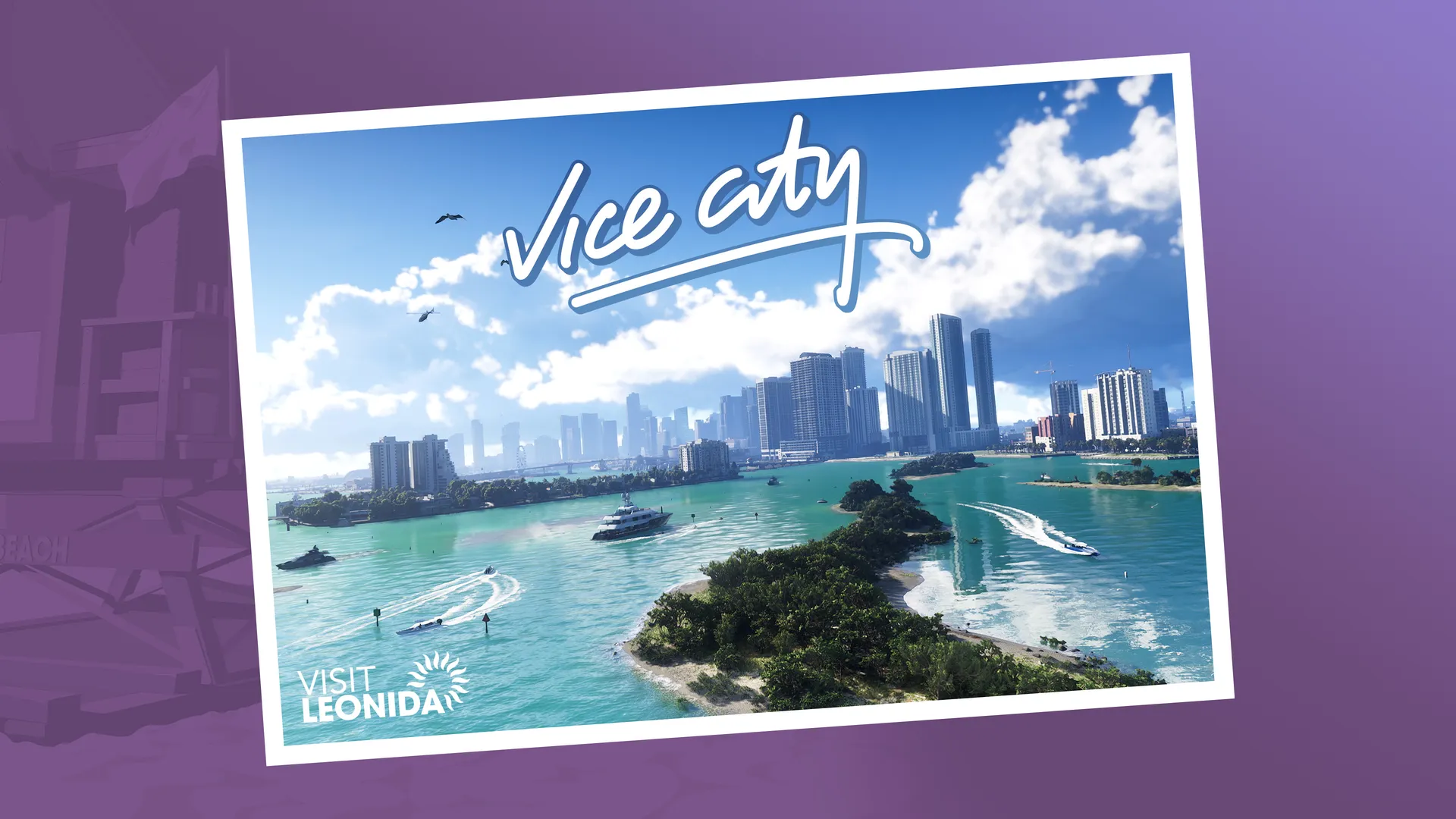
Vice City is not a new setting. It is a returning one, and the version everyone remembers is forty years old in-fiction: 1986, Tommy Vercetti, a city being taken apart and reassembled by one man over the course of a single game.
Understanding what that era actually established is the difference between spotting a real callback in GTA 6 and inventing one.
1984: the foundation
Two years before Tommy arrives, Vice City belongs to other people. Vice City Stories puts you behind Victor Vance, a soldier discharged from the army and pushed into the trade he spends the game trying to control — money he needs for his brother's medical bills, not for a penthouse.
The city's drug economy in this era runs through the Mendez cartel, and Victor's arc is building criminal infrastructure from the ground up: properties, routes, crews. It is a foundation story, and deliberately unglamorous compared to what follows.
The most important thing 1984 plants is a person. Ricardo Diaz appears here, years before he becomes the obstacle between Tommy Vercetti and the city — the same man, earlier, with less to lose.
1986: the empire
Tommy Vercetti arrives after fifteen years in prison, sent south by Sonny Forelli to run a deal that was never meant to work. The ambush that opens the game is the whole plot in miniature: Tommy is not in Vice City to build something, he is there because someone else decided he was expendable.
What he builds anyway is the version of Vice City that stuck. The Vercetti Estate, the Malibu Club, the Print Works, Kaufman Cabs, Pole Position — an empire assembled property by property, until owning the city is a literal mechanic rather than a metaphor.
It ends on the roof of his own mansion, with Lance Vance on the wrong side of a betrayal and Sonny dead in the lobby. Tommy finishes as the most powerful criminal Vice City has ever had.
What GTA 6 inherits
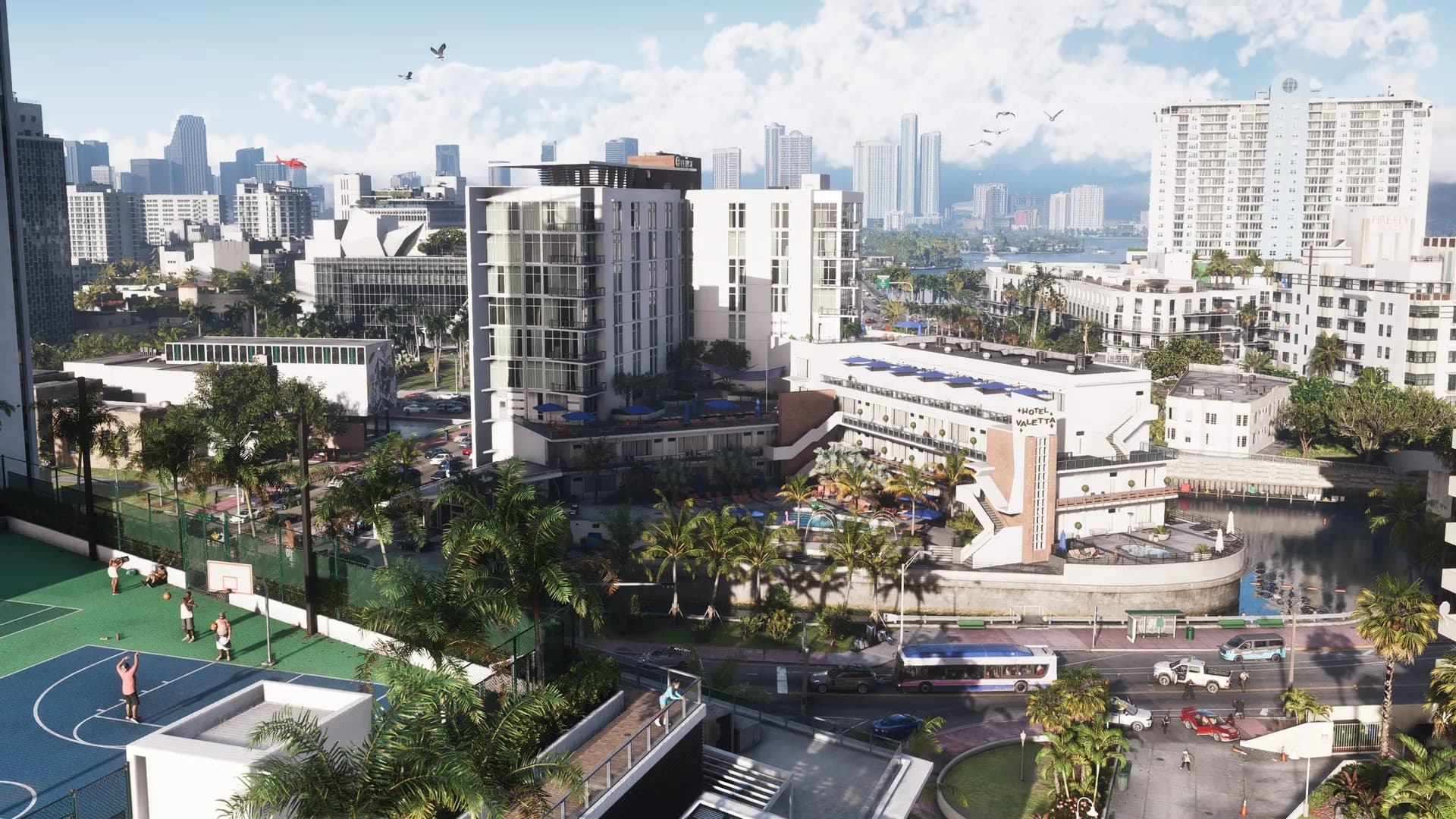
Geography, mostly. Trailer 1 shows the Ocean View Hotel still standing on the strip — the building Tommy stays in after arriving in 1986. The airport is present as Vice City International, where the 1986 game called it Escobar International.
Those are not story connections. They are the same city, aged forty years, with the buildings that survived and the names that changed. Which is a good description of what a real city does in four decades.
What Rockstar has not said
Whether Tommy Vercetti exists in GTA 6's present. Whether the Vercetti name carries any weight in 2026. Whether any 1986 character, or their descendants, appear at all.
Rockstar has confirmed none of it. The gap between 1986 and 2026 is forty years — long enough that a returning character would be in their seventies, and long enough that Rockstar owes the connection nothing.
Why forty years is the right gap
The 1986 game is a period piece about a decade that was already mythologised by the time it came out. Its Vice City is pastel, neon and cocaine — a place that exists as much in Miami Vice reruns as in any actual history.
GTA 6 is set in the present, and the present is a much less flattering thing to make a game about. The distance lets Rockstar have both: a city with a legible mythology behind it, and a version of that city where the mythology has curdled into something people livestream.
It is the same trick the series ran with Los Santos between San Andreas and GTA V, except with twice the elapsed time and a setting far more attached to one specific decade.
Get the next one first
Weekly GTA 6 secrets, easter eggs and lore. Verified only, and never a story spoiler.